Beyond Crepes: Discover Thin Danish Pandekager for Brunch & Dessert
When you hear "Danish pancakes," your mind might first conjure images of fluffy, spherical treats known as æbleskiver, often enjoyed during festive seasons. However, Denmark offers another equally enchanting, yet distinctly different, pancake experience: the elegant and understated pandekager. These aren't your average thick American flapjacks, nor are they simply French crepes. Danish pandekager represent a unique culinary delight – incredibly thin, subtly sweet, and boasting delicate, often crispy edges, making them a versatile canvas for both lavish brunches and sophisticated desserts.
Far from mundane breakfasts, pandekager invite you to explore a world of simple ingredients transformed into something truly special. They embody Danish hygge, a sense of coziness and contentment, through their comforting warmth and endless customization possibilities. If you're ready to expand your pancake repertoire and embrace a piece of Danish culinary tradition, join us as we delve into the art of making and enjoying these exquisite thin pancakes.
What Are Danish Pandekager? A Thin, Crispy Delight
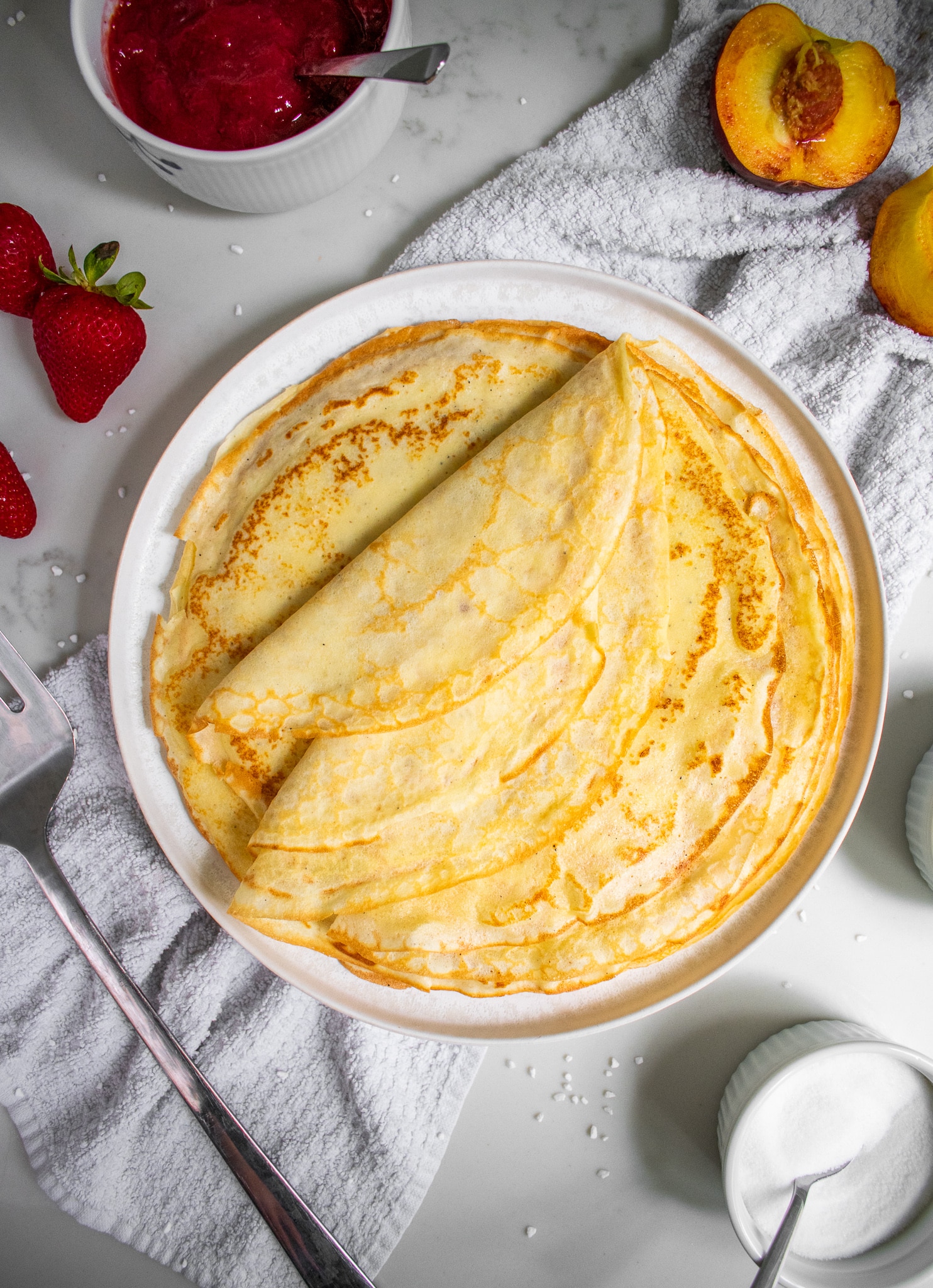
At their core, Danish pandekager are a testament to culinary simplicity and elegance. Unlike their puffier cousins, pandekager are characterized by their remarkably thin, almost translucent texture, resembling delicate lace more than a typical pancake. They are made from a basic batter of flour, eggs, milk, and a touch of sugar, then cooked quickly in a small, nonstick skillet until each side is golden brown and the edges achieve a delightful crispness.
While often compared to French crepes, pandekager possess their own unique identity. Many recipes lean towards an even thinner batter than a standard crepe, allowing for a more pronounced delicate chew and those signature crispy edges. Their subtle sweetness means they are equally at home wrapped around a scoop of vanilla ice cream and fresh berries for dessert, or folded with a savory filling for a unique brunch experience. This duality is what truly sets them apart, offering a flexibility that enriches any meal. They are a staple in Danish households, cherished for their versatility and the simple joy they bring to the table.
Crafting the Perfect Pandekager: Tips for Success
Creating exquisite thin Danish pancakes is an accessible culinary adventure that requires more finesse than complexity. Here's how to master the art in your own kitchen:
Essential Ingredients for Delicate Pandekager:
- All-Purpose Flour: This is your foundation. It provides the ideal structure for these thin pancakes, allowing them to be delicate yet resilient enough to handle fillings. Avoid heavier flours like whole wheat or overly processed cake flour, which can compromise the desired thinness and texture.
- Eggs: Crucial for binding the batter and adding richness. Using room temperature eggs will help them incorporate more smoothly into the batter, leading to a more uniform and airy result.
- Milk (or Buttermilk): Adds essential moisture and creates a creamy mixture. While whole milk is standard, buttermilk can be a fantastic alternative, introducing a subtle tang that beautifully complements both sweet and savory fillings.
- Melted Butter (or Vegetable Oil): Not only adds a lovely richness and flavor to the batter but also ensures a perfectly golden finish. Vegetable oil is a great dairy-free alternative that performs just as well.
- Granulated Sugar: A hint of sweetness is traditional, balancing the flavors without making the pancakes overly sugary. For savory variations, feel free to reduce or even omit the sugar entirely.
- Salt: A pinch enhances all the other flavors.
- (Optional) Baking Powder: Unlike their fluffy æbleskiver cousins, true thin pandekager often contain minimal to no baking powder. Their charm lies in their inherent thinness, not their rise. If a very slight lift is desired, a tiny amount (e.g., 1/4 teaspoon per cup of flour) can be used, but generally, it's omitted for maximum delicacy.
The Art of Mixing and Cooking:
- Prepare the Batter with Precision: In a large bowl, whisk together the dry ingredients (flour, sugar, salt, and any optional baking powder). In a separate bowl, whisk the eggs, then gradually whisk in the milk and melted butter until well combined. This separation ensures even mixing.
- Combine Gently: Pour the wet mixture into the dry ingredients. Stir gently with a whisk or spatula until just combined. The key here is not to overmix. A few small lumps are perfectly fine and will dissolve during resting. Overmixing develops gluten too much, leading to tough pancakes instead of tender ones.
- Rest the Batter: This is a crucial, often overlooked step for thin pancakes. Allow the batter to rest at room temperature for at least 30 minutes, or even an hour. This gives the flour time to fully hydrate and allows any gluten developed during mixing to relax, resulting in a more pliable, smoother batter and more tender pancakes.
- Heat Your Skillet: Use a small (8-10 inch), good quality nonstick skillet. Heat it over medium heat. A well-heated pan is essential for those coveted crispy edges and even browning. Lightly grease the pan with a tiny bit of butter or oil for the first pandekager, then typically, the fat in the batter is enough.
- Pour and Swirl: For each pancake, pour a small ladleful of batter (approximately 1/4 cup, depending on skillet size) into the center of the hot skillet. Immediately lift and tilt the pan, swirling the batter evenly to coat the bottom in a very thin layer. Work quickly!
- Cook and Flip: Cook for 1-2 minutes until the edges appear dry and slightly crispy, and the surface begins to bubble faintly. Gently loosen the edges with a thin spatula, then flip and cook the second side for another 30-60 seconds until golden brown. Stack them on a plate as you go to keep them warm.
Pro Tip: The very first pandekage is often a "tester." It helps you gauge if your pan temperature and batter consistency are just right. Don't be discouraged if it's not perfect – the subsequent ones almost always are!
Beyond the Basics: Creative Fillings & Toppings for Pandekager
The beauty of Danish pandekager lies in their adaptability. Their neutral, slightly sweet flavor profile makes them an ideal vehicle for an endless array of sweet and savory accompaniments. Here are some ideas to elevate your pandekager from simple treat to unforgettable meal:
Sweet Sensations (Brunch & Dessert):
- Classic Danish Style: Dust generously with powdered sugar and serve with homemade berry preserves (strawberry or raspberry are traditional favorites).
- Decadent Indulgence: Fill with a scoop of creamy vanilla bean ice cream, as is common in Denmark, then roll or fold and top with fresh berries or a drizzle of chocolate sauce. This makes for an impressive dessert that tastes truly special.
- Fruity Freshness: Spread with lemon curd or a light fruit compote (apple, cherry, or blueberry work wonderfully). Top with a dollop of whipped cream and a sprinkle of toasted almonds.
- Chocolate Lover's Dream: A generous spread of chocolate-hazelnut spread, perhaps with sliced bananas or strawberries, creates an irresistible treat.
- Caramelized Goodness: Sautéed apple slices with cinnamon and a touch of brown sugar, then rolled inside the warm pandekager, offer a comforting, autumnal delight.
For more inspiration on pairing and presentation, be sure to check out our dedicated guide: Elevate Your Brunch: Creative Danish Pancake Fillings & Toppings.
Savory Surprises (Brunch & Light Meals):
Don't limit pandekager to the sweet side! By slightly reducing the sugar in the batter, they transform into an excellent base for savory fillings:
- Ham and Cheese: A simple yet satisfying combination. Lay a slice of deli ham and a sprinkle of shredded cheese (like Havarti or Gruyere) onto the warm pandekage, fold, and let the cheese melt.
- Smoked Salmon and Cream Cheese: For an elegant brunch, spread a thin layer of cream cheese, top with smoked salmon, a sprinkle of fresh dill, and a squeeze of lemon juice.
- Spinach and Feta: Sautéed spinach with garlic and crumbled feta cheese makes for a delicious Mediterranean-inspired filling.
- Mushroom and Thyme: Sautéed mushrooms with fresh thyme and a touch of garlic offer an earthy, aromatic option.
Pandekager vs. Æbleskiver: Understanding the Danish Pancake Family
It's common for people to refer to all Danish pancakes interchangeably, but it's important to recognize the distinct differences between pandekager and æbleskiver. Both are beloved components of Danish cuisine, yet they offer completely different textural and culinary experiences:
- Pandekager: These are the thin, flat, crepe-like pancakes we've been discussing. They are cooked on a flat skillet, then typically rolled or folded around fillings. Their defining characteristics are their delicate thinness, tender chew, and often crispy edges. They are incredibly versatile, fitting seamlessly into both sweet brunches and savory light meals.
- Æbleskiver: In contrast, æbleskiver are traditionally spherical, fluffy, and cake-like pancakes. They require a special cast-iron æbleskiver pan with distinct indentations to achieve their unique ball shape. They are often filled during the cooking process (traditionally with apple, hence the name 'apple slices,' though modern versions use jams or chocolate) and are typically served with powdered sugar and jam. They are considered more of a festive treat, especially around Christmas.
While both are delightful, understanding their differences allows you to appreciate the specific charm each brings to the Danish table. If you're intrigued by the fluffy, spherical wonders, learn more about them in our guide: Master the Art of Fluffy Danish Æbleskiver: Your Ultimate Homemade Guide.
Conclusion
Danish pandekager offer a culinary journey that takes you far beyond the familiar. These thin, delicate, and endlessly adaptable pancakes provide a wonderful opportunity to infuse your meals with a touch of Danish charm and a world of flavor. Whether you're craving a sweet indulgence for dessert, an elegant brunch centerpiece, or even a creative savory bite, pandekager rise to the occasion with grace and deliciousness. So, gather your ingredients, heat your skillet, and embark on a delightful adventure into the heart of Danish tradition. You'll soon discover that these humble thin pancakes are anything but ordinary, transforming simple moments into truly memorable culinary experiences.
